
Thrills and Skills: Inside the World of Video Game Tournaments
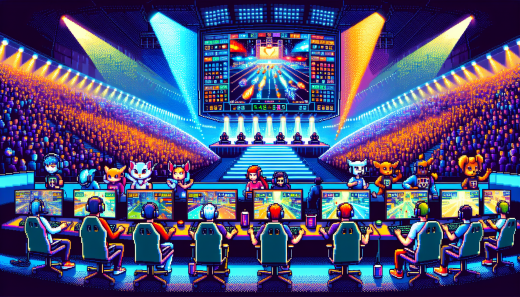
The Evolution of Video Game Tournaments: From Arcades to Arenas
The world of video game tournaments has come a long way since its inception. What started as small gatherings in local arcades has transformed into a global phenomenon, with eSports arenas packed with thousands of spectators and millions more watching online. The journey from humble beginnings to grand stages didn’t happen overnight; it was fueled by rapid advancements in technology and the explosive growth of the internet.
In the early days, video game enthusiasts would flock to arcades to compete with friends and strangers alike. These arcade tournaments were often informal and community-driven, but they laid the groundwork for competitive gaming. The rise of home consoles in the 1980s and 1990s brought video game tournaments into living rooms, and soon after, the internet connected gamers worldwide. This connectivity revolutionized the way tournaments were organized and broadcasted, allowing players from different corners of the globe to compete without ever leaving their homes.
Today, video game tournaments are grand events held in sprawling arenas, complete with professional commentators, high-definition broadcasts, and significant prize pools. The eSports industry has grown into a multi-billion dollar sector, drawing in top-tier sponsors and offering lucrative careers for professional gamers. The impact of technology and the internet cannot be overstated, as they have made it possible for video game tournaments to reach unprecedented heights of popularity and sophistication.
The Evolution of Video Game Tournaments: From Arcades to Arenas
Brief History of Video Game Tournaments
Video game tournaments have a rich and storied history that dates back several decades. The inception of competitive gaming can be traced to the early 1970s, when the first known organized event, the Intergalactic Spacewar Olympics, was held at Stanford University in 1972. This laid the groundwork for what would become a booming industry. As the popularity of arcade games soared in the late 1970s and early 1980s, local arcades became the primary venues for competitive gaming. Titles such as Space Invaders, Pac-Man, and Donkey Kong were central to these early competitions, with high scores and leaderboard placements serving as the key indicators of a player’s skill.
The Transformation from Local Arcades to Global eSports Arenas
The advent of home gaming consoles in the late 1980s and early 1990s marked a significant shift in the landscape of video game tournaments. Companies like Nintendo and Sega began to host competitions that brought together top players from across regions. For example, the Nintendo World Championships in 1990 toured across the United States, providing a larger stage for competitors than ever before.
Fast forward to the late 1990s and early 2000s, the arrival of broadband internet further transformed competitive gaming. Players could now compete against others from around the globe without leaving their homes. This era saw the rise of first-person shooters like Quake and Counter-Strike, and real-time strategy games such as StarCraft, which were played at international tournaments like the World Cyber Games and the Electronic Sports World Cup.
Today, eSports arenas—large-scale venues designed specifically for hosting video game tournaments—are the new battlegrounds for gamers. These state-of-the-art facilities, such as the Blizzard Arena in Los Angeles and the Esports Stadium Arlington in Texas, can accommodate thousands of spectators and provide a professional setting complete with high-end gaming rigs, advanced lighting, and sound systems. This transition symbolizes the mainstream acceptance and commercial viability of competitive gaming as a form of entertainment on par with traditional sports.
Impact of Technology and the Internet on Video Game Tournaments
The role of technology and the internet cannot be overstated in the evolution of video game tournaments. High-speed internet connections have eliminated geographical barriers, allowing for seamless online play and broad participation in both local and international tournaments. Streaming platforms like Twitch and YouTube Gaming have revolutionized the way video game tournaments are broadcast, providing real-time access to millions of viewers around the world. These platforms enable fans to follow their favorite players and teams, while offering a plethora of data analytics, commentary, and interactive features that enhance the viewing experience.
In addition, advancements in game design and development have been pivotal. Developers are now creating games with competitive play in mind, incorporating features such as spectator modes and built-in tournament functionalities. This has not only improved the overall quality of the competitions but has also made it easier for organizers to host and manage tournaments.
Furthermore, the proliferation of social media has played a significant role in increasing the visibility and popularity of video game tournaments. Platforms like Twitter, Instagram, and Reddit serve as hubs for discussion, news, and updates surrounding the eSports community, creating a vibrant and engaged fan base. The integration of augmented reality (AR) and virtual reality (VR) technologies is also on the horizon, promising to offer even more immersive and interactive tournament experiences in the near future.
In essence, the journey from local arcades to global eSports arenas is a testament to the transformative power of technology and the internet. They have not only democratized access to competitive gaming but have also elevated it to a level of prominence and professionalism that was once unimaginable. As we look to the future, it’s clear that video game tournaments will continue to evolve, driven by technological advancements and the ever-growing enthusiasm of the global gaming community.
Skills and Strategies: What It Takes to Compete in Video Game Tournaments
Essential Skills for Video Game Tournament Competitors
Competing in video game tournaments demands a unique blend of skills that go far beyond casual gameplay. At the top of the list is mechanical skill – the ability to execute in-game actions with speed and precision. Whether it’s landing headshots in a first-person shooter or combo chaining in a fighting game, refined mechanics are crucial.
Next, strategic thinking is paramount. High-level play often resembles a chess match where competitors must anticipate and counter their opponents’ moves. Knowing when to engage or retreat, which objectives to prioritize, and how to adapt to evolving scenarios can make the difference between victory and defeat.
Team coordination is another vital skill, especially in team-based games. Players must communicate effectively, synchronize their actions, and support one another to achieve collective goals. Professional teams spend countless hours refining their synergy to operate as a cohesive unit.
Lastly, mental resilience stands out as an essential attribute. The high-pressure environment of video game tournaments can test a player’s composure and focus. Top competitors possess the ability to remain calm under pressure, recover quickly from setbacks, and maintain their concentration throughout extended sessions.
Common Strategies Used by Top Players and Teams
In the realm of video game tournaments, strategy is key. One common approach seen among elite players and teams is the use of meta strategies. The “meta” refers to the overarching trends and most effective tactics in a game at any given time. Being aware of and utilizing these strategies can provide a significant edge.
Map control is another fundamental strategy, especially in games like MOBAs and FPS. By controlling key areas of the map, players can secure resources, gain strategic advantages, and limit their opponent’s options. This control often leads to more opportunities for ambushes, objective captures, and overall dominance.
Playing to specific strengths is equally important. Every player has their unique set of strengths, whether it’s superior aiming, tactical knowledge, or role-specific skills. Top competitors and teams build strategies around these strengths, ensuring everyone is contributing optimally.
Additionally, information gathering plays a crucial role. Knowledge of the opponent’s strategies, strengths, and weaknesses allows players to formulate effective countermeasures. Teams often employ dedicated roles or characters designed to gather and relay information, such as scouts in FPS games or support characters in MOBAs.
Training Regimens and Tools for Refining Gaming Techniques
To compete at the highest level in video game tournaments, rigorous training regimens are essential. Competitors dedicate several hours daily to refine their mechanics, study strategies, and improve their overall game sense. This structured practice often mirrors that of traditional sports.
Customized practice routines are a staple for serious gamers. These routines target specific areas needing improvement, such as aim drills for FPS players or last-hitting exercises for MOBA enthusiasts. Purposeful practice is more effective than simply playing more games, as it focuses on rectifying weaknesses.
Many top-tier players also utilize coaching and analysis. Coaches help by providing feedback, developing training plans, and offering strategic insights. Analyzing match replays is another critical component; it provides a wealth of information about player performance, decision-making, and areas for improvement. By reviewing past matches, competitors can learn from their mistakes and refine their strategies.
Moreover, advancements in technology have introduced specialized training tools and software. Aim trainers and simulation software replicate in-game scenarios to help players enhance their precision and reaction times. These tools provide a controlled environment to practice specific skills without the variability of live matches.
Finally, maintaining physical and mental health is increasingly recognized as integral to high-level gaming. Professional players incorporate physical fitness routines, proper nutrition, and mental exercises such as meditation into their training regimens. A healthy body and mind contribute significantly to sustained performance and resilience.
In summary, competing in video game tournaments requires a multifaceted approach encompassing mechanical skill, strategic acumen, team coordination, and mental fortitude. Through dedicated practice, strategic innovation, and the use of advanced tools, players can elevate their game and thrive in the competitive eSports arena.
The Thrilling Experience of Video Game Tournaments: Spectator and Player Perspectives
The Atmosphere of Live and Virtual Video Game Tournaments
Video game tournaments have become a dynamic confluence of excitement and skill, drawing not only the best players from across the globe but also throngs of enthusiastic spectators. The atmosphere at these events is nothing short of electric, whether they take place in colossal arenas or through virtual platforms.
In live tournaments, such as the prestigious The International for Dota 2 or the League of Legends World Championship, the ambiance is akin to that of a major sports event. Giant screens display every spell cast and every tactical maneuver, while commentators, often referred to as “casters,” provide play-by-play analysis that elevates the viewing experience. Fans wave banners and cheer passionately, and the energy in the air is palpable. Attending a live video game tournament immerses you in a world where tactical genius and split-second reactions are on full display.
Virtual tournaments also offer a thrilling experience, accessible to a broader audience without geographic constraints. Streaming platforms such as Twitch and YouTube Gaming bring these competitions into the homes of millions. With live chats, instant replays, and interactive features, virtual tournaments generate an engaging viewer experience that rivals even the most impressive live events. This digital accessibility has democratized eSports, allowing a global audience to participate in the excitement of video game tournaments.
Experiences and Testimonials from Professional Players
The heart of video game tournaments lies in the experiences of the players themselves. Professional gamers often describe their journey in eSports as a blend of exhilaration, dedication, and camaraderie. For many, the path to competing in these high-stakes environments is long and grueling but profoundly rewarding.
Take John Fatal1ty Wendel, a pioneer in competitive gaming, who once said, Winning championships and breaking records comes from a relentless passion for gaming and an unyielding work ethic. Such sentiments echo throughout the testimonies of many professional players. The blend of individual skill and team coordination creates a complex environment where every decision matters.
Players like Sasha Scarlett Hostyn, a top StarCraft II competitor, emphasize mental resilience as a cornerstone of competitive success. The pressure in big matches can be overwhelming, but learning to keep calm and focus under pressure is what separates good players from great players, she notes. This personal perspective highlights the intense focus and mental agility required to excel in high-pressure scenarios.
Not only do players relish the competitive thrills, but they also cherish the community and friendships formed through gaming. Many pros speak fondly of the supportive networks that rival those seen in any traditional sport. This sense of community reinforces why video game tournaments are more than just competitions; they are social gatherings that bring together like-minded individuals united by their love for gaming.
The Excitement and Engagement of Spectators and Fans in the eSports Community
Spectators play a crucial role in the success and vibrancy of video game tournaments. Their enthusiasm transforms ordinary gaming competitions into spectacular events filled with thunderous applause, dramatic chants, and epic moments that define the eSports experience.
The loyalty and fervor of the eSports audience are evident in how fans rally behind their favorite teams or players. Merchandise sales, fan art, and social media presence are just a few ways in which fans show their support. Websites dedicated to eSports coverage help maintain a continuous buzz around tournaments, ensuring that the excitement extends beyond just the event itself.
Interactive elements such as fantasy leagues, live streams with chat functions, and viewer polls magnify spectator engagement. Fans can predict outcomes, participate in discussions, and even influence aspects of the broadcast, creating a two-way interaction that heightens the viewing experience. This level of fan participation fosters a deeper connection between the audience and the games, making each tournament a more immersive experience.
The communal experience of watching video game tournaments, whether live or virtual, adds another layer of thrill. Viewing parties, both large and small, are commonplace, with fans gathering to watch and discuss tournament outcomes together. These community-driven events replicate the joy of stadium sports, fostering solidarity and shared passion.
Moreover, the rise of prominent eSports personalities and influencers has amplified the allure of these tournaments. Figures like Tyler Ninja Blevins and Imane Pokimane Anys draw vast audiences not only through their gaming prowess but also their charismatic on-screen presence. Their influence extends the reach of video game tournaments, attracting a diverse fanbase and integrating eSports into mainstream entertainment.
Conclusion
The world of video game tournaments encapsulates an exhilarating blend of competition, community, and cutting-edge technology. The vibrant atmosphere at live events, coupled with the widespread accessibility of virtual tournaments, creates a unique experience for both players and spectators. Through the passionate narratives of professional gamers and the spirited engagement of fans, video game tournaments are evolving into one of the most captivating forms of modern entertainment, showcasing the remarkable synergy between thrills and skills.
Conclusion: The Future of Video Game Tournaments
Video game tournaments have evolved from humble beginnings in local arcades to massive international eSports arenas, capturing the attention of millions worldwide. This transformation has been fueled by advancements in technology and the rise of the internet, paving the way for a thriving global community. The dedication, skills, and strategies employed by top competitors are a testament to the professional level of play that these tournaments now demand.
The exhilarating atmosphere of video game tournaments, whether experienced live or virtually, showcases the passion and excitement of both players and spectators. Professional gamers share stories of intense competition and triumphant victories, while fans engage with the dynamic and interactive nature of these events. The bond formed within the eSports community is one of shared enthusiasm and mutual respect, uniting people across different cultures and backgrounds.
As we look to the future, video game tournaments are poised to continue growing in popularity and influence. With ongoing technological advancements and increasing mainstream acceptance, the world of competitive gaming will undoubtedly see new heights. Whether you are a fierce competitor, an avid fan, or just discovering the magic of eSports, the captivating realm of video game tournaments offers something for everyone.