
The Rise of League of Legends Esports
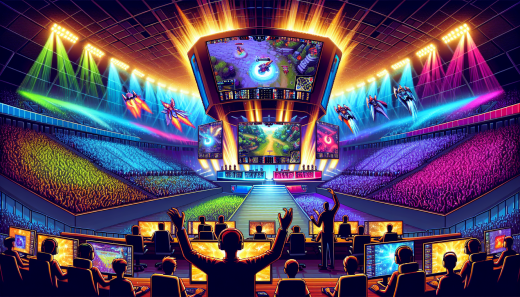
The Rise of League of Legends Esports
League of Legends esports has seen an extraordinary journey from its humble beginnings to becoming a global powerhouse in the competitive gaming landscape. This revolutionary title has not only transformed how video games are played but has also redefined the very essence of esports. Through the years, League of Legends has captivated millions of fans around the world, fostering a dynamic community and setting new standards for competitive gaming. In this article, we will delve into the inception, evolution, and far-reaching impact of League of Legends esports while exploring what the future holds for this ever-growing phenomenon.
The Early Days: How League of Legends Esports Began
The story of League of Legends esports starts back in 2009 with the release of the game by Riot Games. Initially regarded as an innovative multiplayer online battle arena (MOBA), it didn’t take long for the competitive potential to shine through. Early tournaments and small-scale events began to shape the competitive scene, laying the groundwork for what was to come. Key personalities, both players and organizers, played crucial roles in nurturing these fledgling competitions, leading to significant milestones that sparked a larger movement.
The Evolution and Expansion: From Local Tournaments to Global Phenomenon
What started as local contests quickly ballooned into an international sensation. The establishment of regional leagues allowed for more structured and professional competitions, creating pathways for players to showcase their skills on bigger stages. The annual World Championship became a focal point, bringing together the best teams from around the globe to compete for glory. Enhanced by technological advancements and increased investment, the professionalism within the League of Legends esports scene soared, elevating the sport to unprecedented heights.
The Impact and Future of League of Legends Esports
League of Legends esports has had an indelible impact on the gaming industry, heralding a new era of cultural and economic significance. From the development of star players and the engagement of a loyal fan base to the rise of innovative trends within the community, its influence is expansive. As we look ahead, the future of League of Legends esports appears promising with numerous potential growth areas on the horizon. With an ever-evolving landscape, this esports giant is poised to continue leading and shaping the competitive gaming arena for years to come.
The Early Days: How League of Legends Esports Began
Inception of League of Legends as a Competitive Sport
League of Legends, developed by Riot Games and released in October 2009, quickly captured the imagination of gamers around the world. Its blend of fast-paced action, strategic depth, and a community-oriented design made it a natural fit for competitive play. However, it was not immediately clear that League of Legends would evolve into the titan of esports that it is today. The journey to becoming a competitive sport began almost organically, as players sought to test their skills against one another in organized formats.
The game’s developers recognized this competitive potential early on. By creating an environment conducive to competition, Riot Games laid the groundwork for what would become a thriving esports ecosystem. Integrated matchmaking, ranked ladders, and frequent balance updates kept the player base engaged and fostered a spirit of competition. It wasn’t long before small, community-driven tournaments started to pop up, further solidifying the game’s status as a competitive endeavor.
Initial Tournaments and Events
The first notable foray into the esports arena for League of Legends was the 2010 World Cyber Games’ Grand Finals. This event served as a precursor to larger, more organized tournaments that would follow. At the time, the infrastructure was nascent, and the production was simple compared to today’s standards. Nevertheless, the excitement and enthusiasm surrounding these early tournaments were palpable.
Historically, one of the most pivotal early events was the Season One World Championship held in 2011 at DreamHack Summer in Sweden. With a prize pool of $100,000—a considerable sum at the time—it attracted top teams from across the globe. The tournament’s success showcased that there was a substantial audience for League of Legends esports and indicated the game’s potential as a spectator sport. Team Fnatic emerged victorious, creating some of the first legendary names in the sphere of League of Legends esports.
Following this, Riot Games took an increasingly proactive role in organizing and promoting tournaments. They launched the Intel Extreme Masters (IEM) circuit for League of Legends, offering global exposure and higher stakes. Such events were crucial in building a professional ecosystem, enabling players to pursue esports as a full-time career. Each tournament added layers of storylines and rivalries, essential components for fan engagement.
Pivotal Moments and Personalities
The early days of League of Legends esports were marked by several key moments and influential personalities that contributed to its burgeoning success. Notably, George HotshotGG Georgallidis and his team, Counter Logic Gaming, played a significant role. HotshotGG was one of the first professional players to leverage streaming, using his popularity to draw attention to the competitive scene. His charismatic personality and high-level play were instrumental in attracting a broader audience.
Additionally, the rise of other prominent teams like TSM (Team SoloMid) and Moscow Five (later known as Gambit Gaming) added to the growing excitement. These teams brought different playstyles and strategies, enriching the competitive meta and captivating fans. Landmark matches between these squads laid the foundation for intense rivalries that have persisted through the years.
Another turning point was the 2012 World Championship, held at the University of Southern California’s Galen Center. With a prize pool of $2 million and over 8 million viewers tuning in online, this event set new benchmarks for viewership and production quality. Taipei Assassins’ unexpected victory against the heavily favored Azubu Frost highlighted the unpredictable and thrilling nature of the game, further solidifying its appeal.
Riot Games also began to elevate the production value of these events. The introduction of professional shoutcasters and analysts, such as David Phreak Turley and Rivington RivingtonThe3rd Bisland III, added another layer of professionalism and entertainment. Providing insightful commentary and hyping up key moments, these personalities became integral to the viewing experience, transferring their passion and excitement to the audience.
In summary, the early days of League of Legends esports were characterized by a combination of organic growth and strategic initiatives from Riot Games. Initial community-driven tournaments set the stage, while the involvement of dedicated players and influential personalities turned League of Legends into a full-fledged competitive sport. These foundational years were indispensable in establishing the game’s reputation in the esports world, paving the way for its subsequent evolution and global dominance.
The Evolution and Expansion: From Local Tournaments to Global Phenomenon
Tracing the Development and Expansion of League of Legends Esports
Since its inception, League of Legends esports has undergone a remarkable transformation. What began as a series of local tournaments has grown into a globally recognized competitive scene. Initially, small-scale events and community-driven competitions were the cornerstone of League’s competitive landscape. However, with increasing popularity, Riot Games, the developer of League of Legends, began to strategically expand and formalize the esports ecosystem.
The Creation of Regional Leagues
One of the most significant milestones in the evolution of League of Legends esports was the establishment of regional leagues. In 2013, Riot Games introduced the League of Legends Championship Series (LCS) for North America and Europe, marking a pivotal step towards a structured competitive framework. These leagues provided a stable environment for professional teams and players to develop. Concurrently, other regions, including Korea, China, and Southeast Asia, also saw the formation of dedicated leagues such as the LCK (League of Legends Champions Korea) and the LPL (League of Legends Pro League).
The regional leagues gave rise to new rivalries, fostered local talent, and cultivated a passionate fanbase. Moreover, these leagues acted as feeder systems for the most prestigious event of all— the World Championship, often referred to as Worlds.
The Significance of the World Championship
The League of Legends World Championship is more than just a tournament; it is an annual celebration of competitive gaming at its finest. Since its inaugural event in 2011, Worlds has set the gold standard for esports competitions. The tournament gathers the best teams from each regional league, creating a riveting showcase of skill, strategy, and teamwork.
Worlds has seen several historic moments and unforgettable performances. For instance, the 2013 finals featured SK Telecom T1’s dominance, which solidified their legacy in esports history. The tournament also boasts impressive viewership numbers, with the 2020 World Championship drawing over 45 million concurrent viewers during its peak.
Technological Advancements Drive Growth
Technological advancements have played a crucial role in the expansion of League of Legends esports. High-quality streaming platforms like Twitch and YouTube have made it possible for fans around the world to tune into live matches. Additionally, advancements in internet infrastructure have allowed for smoother and more reliable online competitions, further bridging the gap between regions.
Moreover, innovations in virtual reality (VR) and augmented reality (AR) have started to enhance the viewing experience, bringing fans closer to the action than ever before. The integration of detailed analytics and data visualization tools has also transformed how audiences engage with the game, providing deeper insights into team strategies and player performances.
Increasing Professionalism in the Scene
The professionalism within the League of Legends esports scene has ramped up significantly over the years. Early tournaments were often community-organized and had a more casual vibe. In contrast, today’s esports organizations operate with a high degree of professionalism, akin to traditional sports teams.
Professional teams now have dedicated coaching staff, analysts, and support personnel to ensure peak performance. The players themselves are seen as athletes, with strict training regimens and well-defined career paths. Furthermore, the establishment of player contracts, salaries, and transfer systems has added a layer of legitimacy and stability to the competitive scene.
Sponsorship deals and media rights agreements have also become commonplace, further cementing the financial viability of professional League of Legends esports. Brands are eager to tap into the game’s vast and engaged audience, leading to increasing investment in the sector.
A Glimpse into the Future
As we look towards the future, the trajectory of League of Legends esports appears incredibly promising. The continued evolution of technology, combined with the growing professionalism and mainstream acceptance of esports, sets the stage for even greater accomplishments. New regions are emerging as competitive hubs, and innovations in fan engagement are likely to further enhance the global appeal of League of Legends esports.
In summary, the evolution and expansion of League of Legends esports are a testament to the game’s enduring appeal and Riot Games’ effective strategies. From local tournaments to a global phenomenon, League of Legends esports continues to break new ground, captivating millions of fans and setting new standards in the world of competitive gaming.
The Impact and Future of League of Legends Esports
Analyzing the Cultural and Economic Impact of League of Legends Esports
The phenomenon of League of Legends esports has had a seismic impact on both the cultural and economic landscapes of the gaming industry. What began as a niche competitive hobby has grown into a juggernaut, influencing countless facets of modern entertainment and commerce. The cultural shift is evident in the way gaming tournaments have become mainstream entertainment, covered by major news outlets and drawing in millions of viewers worldwide. This acceptance has helped to reshape the public’s perception of gaming from a casual pastime to a legitimate, skill-based sport.
Economically, the rise of League of Legends esports has created massive revenue streams through sponsorships, advertising, merchandising, and media rights. Major corporations are keen to associate with these events, recognizing the high engagement levels and the dedicated fan base that esports attract. According to industry reports, the global esports market is projected to surpass $1 billion in revenues, with League of Legends contributing a substantial portion of that figure. This economic boon is not just limited to organizer profits but also cascades down to players, teams, commentators, and even content creators, creating a thriving ecosystem.
Player Development: Nurturing the Next Generation of Athletes
One of the most compelling aspects of the League of Legends esports landscape is the focus on player development. Organizations invest heavily in nurturing young talent, often scouting potential players from ladder games or smaller tournaments. These fledgling athletes are then groomed in a professional environment, with access to coaching, psychological support, and state-of-the-art training facilities.
The path to becoming a professional League of Legends player has thus become more structured and attainable. Many organizations also emphasize holistic development, ensuring that players balance their gaming commitments with education and personal growth. This comprehensive approach not only prepares players for esports careers but also equips them with skills and knowledge that are valuable beyond the gaming world.
Fan Engagement: Building a Robust Community
The success of League of Legends esports is inherently tied to its vibrant and dedicated community. Fan engagement is a cornerstone of its growth, with Riot Games and various esports organizations implementing numerous strategies to keep fans invested. From interactive live streams and events to rewarding loyalty with in-game incentives, the efforts to connect with fans are multifaceted.
Moreover, social media platforms and streaming sites like Twitch and YouTube serve as hubs for community interaction. These platforms allow fans to not only watch their favorite players and teams but also to participate in discussions, share content, and even contribute financially through donations and subscriptions. By fostering a strong sense of community, League of Legends esports ensures that fans are not just passive spectators but active participants in the ecosystem.
Emerging Trends in the Community
As League of Legends esports continues to evolve, several emerging trends are shaping its future. One such trend is the increased focus on mental health and well-being. The high-pressure environment of professional gaming can take a toll on players, and organizations are now prioritizing mental health initiatives. This includes providing access to psychologists, promoting a healthy work-life balance, and encouraging open conversations about mental health challenges.
Another notable trend is the diversification of content. While live matches remain the centerpiece, there is a growing demand for supplementary content such as behind-the-scenes footage, player interviews, and educational materials. This diversification caters to a broader audience, keeping them engaged even when tournaments are not in session.
Speculating on the Future Trajectory of League of Legends Esports
Looking ahead, the future of League of Legends esports appears incredibly promising. One potential growth area is the expansion into new markets. Regions like Southeast Asia, South America, and Africa are showing increasing interest in esports, and targeted efforts to develop these markets could yield significant returns. Additionally, technological advancements such as virtual reality, augmented reality, and enhanced streaming technologies could revolutionize the viewing experience, making it more immersive and interactive.
There is also the possibility of greater integration with traditional sports. Collaborations between esports and traditional sports teams or events could further legitimize competitive gaming and attract a wider audience. Educational institutions are another promising frontier, with universities around the world beginning to offer esports scholarships and integrate esports into their athletic programs.
In conclusion, the impact and future of League of Legends esports are both profound and dynamic. With a robust community, continuous player development, significant cultural and economic influence, and exciting future prospects, League of Legends esports is poised to remain at the forefront of the esports revolution for years to come.
Conclusion
League of Legends esports has undoubtedly evolved from its humble beginnings into a global phenomenon, capturing the hearts and minds of millions of fans across the world. The journey from grassroots tournaments to grand stages like the World Championship has been marked by monumental moments and the contributions of dedicated players, visionary organizers, and passionate fans.
Throughout its rise, League of Legends esports has showcased how video games can transcend mere entertainment to become a significant cultural and economic force. The establishment of formal structures like regional leagues and the incorporation of cutting-edge technology have underpinned this growth, ensuring that the competition remains fierce and engaging.
Moreover, the ecosystem around League of Legends esports continues to evolve, with a growing emphasis on player development, enhanced fan engagement, and innovative trends that push the boundaries of the sport. As we look to the future, it is clear that the potential for further growth and influence remains vast. Whether it’s through new technological advancements, expanded global reach, or deeper integration within the entertainment industry, the future of League of Legends esports holds exciting prospects.
In conclusion, League of Legends esports stands as a testament to the power of community and competition, driving the gaming industry forward and setting new precedents for what esports can achieve. As it continues to grow and adapt, one thing is certain: the journey of League of Legends esports is far from over, and its impact will be felt for many years to come.