
The Rise of E-Gaming: Revolutionizing the World of Entertainment
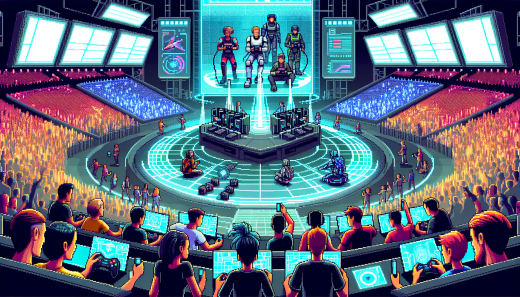
The Rise of E-Gaming: Revolutionizing the World of Entertainment
Introduction
In recent years, the e-gaming industry has experienced an unprecedented surge, transforming the landscape of entertainment as we know it. With its roots tracing back to humble arcade games and evolving through revolutionary technological advancements, e-gaming now stands as a formidable force in modern entertainment. This article delves into the fascinating journey of e-gaming, exploring its evolution, impactful presence in contemporary media, and significant economic contributions.
As e-gaming continues to capture the imaginations of millions globally, it has morphed into a multifaceted entertainment medium that goes beyond simple gameplay. Streaming platforms, content creation, and thriving online communities all attest to the expansive reach and socio-cultural influence of this digital phenomenon. The industry’s growth is not just limited to entertainment; it also opens a myriad of career opportunities, fueling economic streams that include in-game purchases, sponsorships, and advertising revenue.
Join us as we navigate through the dynamic world of e-gaming, uncovering how it has come to revolutionize entertainment, and what lies ahead for this ever-evolving industry.
Evolution and Growth of the E-Gaming Industry
Historical Background: From Arcade Games to Online Tournaments
The e-gaming industry, commonly referred to as e-sports, has witnessed tremendous evolution over the past few decades. It all began in the early 1970s with arcade games like Pong and Space Invaders captivating audiences. These coin-operated machines found a permanent spot in bars and malls, paving the way for a new form of entertainment. The late 20th century saw a significant shift with the advent of home video game consoles like Atari and Nintendo, revolutionizing how games were consumed.
The transition from single-player, offline games to multiplayer, online platforms marked a significant leap in the e-gaming landscape. The introduction of the internet in the 1990s transformed gaming into a social activity, fostering the growth of online gaming communities. Games like Counter-Strike and StarCraft were among the first to feature competitive gameplay, laying the foundation for what would become a hugely successful industry: e-sports. Today, online tournaments attract millions of viewers and offer substantial cash prizes, rivaling traditional sports in their scale and impact.
Technological Advancements Fuelling E-Gaming
The exponential growth of the e-gaming industry can largely be attributed to rapid technological advancements. High-speed internet has made multiplayer online gaming seamless, eliminating lag and enhancing user experience. Improved graphics, powered by sophisticated GPUs, have brought lifelike realism into gaming environments, making games more immersive.
Moreover, platforms like Twitch and YouTube have become integral to the e-gaming ecosystem. These platforms allow gamers to stream their gameplay live, enabling real-time interaction with a global audience. Virtual Reality (VR) and Augmented Reality (AR) are further revolutionizing e-gaming, offering deeply immersive and interactive experiences. Blockchain technology is also making its mark, facilitating secure transactions and the creation of decentralized gaming ecosystems.
Market Statistics and Future Projections
The e-gaming industry is currently one of the fastest-growing sectors in the entertainment world. According to market analysis, the global e-sports market is expected to reach $5 billion by 2025, up from $1 billion in 2019. This impressive growth rate is driven by increasing consumer engagement, technological advances, and the rising popularity of e-sports tournaments.
Market statistics indicate that Asia-Pacific remains the largest e-gaming market, followed by North America and Europe. Countries like China, South Korea, and the United States are leading contributors to this growth. Notably, mobile gaming is emerging as a major growth driver, with games like PUBG Mobile and Mobile Legends attracting massive user bases.
Future projections suggest that e-gaming will continue to disrupt traditional entertainment industries. Analysts predict a surge in investments from mainstream media and entertainment giants as they recognize the potential of e-gaming. Furthermore, innovations in AI and cloud gaming are expected to redefine the gaming experience, making high-quality games more accessible and affordable for a diverse audience worldwide.
To sum up, the evolution and growth of the e-gaming industry are testaments to the continuous advancement and integration of technology into our daily lives. From humble arcade beginnings to becoming a multifaceted, global entertainment powerhouse, e-gaming is here to stay, promising an exciting future filled with endless possibilities.
The Impact of E-Gaming on Modern Entertainment
Shifting Consumer Preferences: From Traditional to Digital
The landscape of entertainment is undergoing a seismic shift as e gaming transitions from a niche activity to a cornerstone of modern leisure. Traditional forms of entertainment, such as television and film, are facing stiff competition from the dynamic and interactive world of e gaming. Consumers, particularly younger generations, are gravitating toward digital experiences where participation and engagement are paramount. Unlike passive forms of entertainment, e gaming offers an immersive environment where players can interact with complex narratives, engage in strategic gameplay, and participate in virtual communities.
Moreover, the advent of advanced gaming consoles, high-speed internet, and mobile gaming platforms has democratized access to e gaming. This accessibility has broadened the demographic spectrum of gamers, making it an inclusive form of entertainment that appeals to various age groups and interests. As a result, consumers are increasingly allocating their leisure time and expenditure to digital gaming experiences over traditional entertainment forms.
E-Gaming as a Major Entertainment Medium: Streaming and Content Creation
The rise of e gaming has been significantly bolstered by the proliferation of streaming platforms and the burgeoning field of content creation. Websites like Twitch, YouTube Gaming, and Facebook Gaming have transformed e gaming into a spectator sport, drawing millions of viewers who watch live broadcasts of gameplay, tournaments, and e sports events. These platforms have not only provided a stage for professional gamers but have also opened avenues for casual gamers to gain visibility and build communities around their content.
Streaming has introduced a new paradigm in content consumption where entertainment is both interactive and participatory. Viewers can engage with streamers through live chats, contribute to gameplay decisions, and participate in community discussions. This level of engagement creates a symbiotic relationship between gamers and their audience, fostering a deeper connection that is often absent in traditional media formats.
Furthermore, content creation in the e gaming industry is thriving. Gamers are producing an array of content ranging from tutorials and walkthroughs to live streams and humorous compilations. The appeal of these varied content types lies in their authenticity and relatability, which resonate with a global audience. As a result, content creators are amassing substantial followings and monetizing their channels through advertisements, sponsorships, and viewer donations.
Socio-Cultural Influence: E-Gaming Communities and Esports Phenomenon
The socio-cultural impact of e gaming cannot be overstated. As more people immerse themselves in digital gaming, e gaming communities have emerged as significant social hubs. These communities provide a space for gamers to connect, share experiences, and collaborate on in-game objectives. Online forums, social media groups, and gaming-specific platforms have become central to the social fabric of many gamers’ lives, offering both camaraderie and competition.
This sense of community has been further amplified by the rise of e sports, which has elevated competitive gaming to new heights. E sports tournaments attract millions of spectators both online and in live venues, rivaling traditional sports in popularity and viewership. Major e sports events like The International, the League of Legends World Championship, and the Overwatch League have become cultural phenomena, drawing huge audiences and offering substantial prize pools for competitors.
The professionalization of e sports has also contributed to its socio-cultural impact. Gamers now have the opportunity to pursue e gaming as a viable career path, with structured leagues, dedicated training facilities, and lucrative sponsorship deals. This shift has normalized the perception of gaming as more than just a pastime, recognizing it as a legitimate form of professional endeavor.
Moreover, e gaming has transcended its entertainment value to influence areas such as education and mental health. Educational institutions are integrating game-based learning into curricula to engage students and enhance problem-solving skills. On the mental health front, gaming provides a therapeutic outlet for individuals seeking stress relief, social connection, and cognitive stimulation.
In summary, the impact of e gaming on modern entertainment is multifaceted, reshaping consumer preferences, redefining content creation, and fostering socio-cultural connections. As e gaming continues to evolve, its influence on the entertainment industry and beyond is poised to expand, heralding a new era of interactive and inclusive digital experiences.
Economic and Developmental Aspects of E-Gaming
Revenue Streams: In-Game Purchases, Sponsorships, and Advertising
The e-gaming industry, now a booming sector, thrives on diverse revenue streams such as in-game purchases, sponsorships, and advertising. In-game purchases encompass a wide array of digital goods including skins, weapons, maps, and exclusive content that enhance the gaming experience. These purchases not only keep gamers engaged but also generate substantial income for developers.
Sponsorships play a pivotal role in e-gaming economics, where brands partner with popular gamers and events, injecting significant funds into the industry. High-profile brands seek to capitalize on the massive following of influencers and esports teams. Meanwhile, advertising within games—ranging from virtual billboards to playable ads—offers another lucrative avenue by leveraging the high engagement rate of players.
Each of these revenue streams ensures continuous cash flow, fostering the industry’s growth and its increasing dominance in the entertainment sector. Notably, these financial elements have also laid the foundation for professional gaming careers and the extensive ecosystem of services supporting the industry.
Career Opportunities and Professional Growth in E-Gaming
The e-gaming industry does not only benefit players; it creates a plethora of career opportunities that extend beyond traditional gameplay. Professional gamers now enjoy careers akin to those in traditional sports, complete with team memberships, sponsorship deals, and competitive salaries.
Additionally, the rise of e-gaming has paved the way for various professional roles such as game developers, designers, esports coaches, and analysts. Game development companies actively seek talent in coding, animation, and design to create immersive gaming experiences. For those passionate about strategy and performance, coaching and analytical roles in esports teams provide a viable career path.
Moreover, the growth of e-gaming has led to the emergence of content creation and streaming careers. Platforms like Twitch and YouTube Gaming have allowed individuals to monetize their gaming skills and personalities, garnering substantial followings and generating income through subscriptions, donations, and ad revenues. This trend has democratized fame in the gaming world, enabling anyone with talent and dedication to achieve success.
Challenges and Opportunities: Regulatory Issues and Market Expansion
While the economic and developmental aspects of e-gaming are promising, they come with their own set of challenges. Regulatory issues pose significant hurdles, as governments continue to grapple with the rapid growth of the e-gaming industry. Concerns over addiction, age-appropriate content, and gambling-like elements in games necessitate clear and robust regulations.
However, these challenges also offer opportunities for market players to innovate and adapt. The introduction of parental controls, age verification systems, and responsible gaming programs can mitigate regulatory concerns and promote a healthier gaming environment. Furthermore, clarity in regulation can open up new markets and enhance consumer trust.
Market expansion remains a key opportunity for the e-gaming industry. The global reach of the internet allows gaming companies to access previously untapped markets, tailoring content to diverse cultures and preferences. Regions like Southeast Asia, India, and South America represent burgeoning markets with growing appetites for e-gaming content and participation.
In conclusion, the economic and developmental landscape of e-gaming is multifaceted and dynamic. Revenue streams such as in-game purchases, sponsorships, and advertising fuel the industry’s growth, while diverse career opportunities provide avenues for professional success. Despite regulatory challenges, the potential for innovation and market expansion remains strong, heralding a prosperous future for e-gaming on the global stage.
Conclusion: The Ever-Evolving Landscape of E-Gaming
The ascendance of e-gaming from humble arcade beginnings to a multi-billion dollar industry is a testament to its transformative power in the world of entertainment. Technological advancements have not only redefined the gaming experience but have also expanded the potential for growth and innovation in this dynamic sector.
A Permanent Fixture in Modern Entertainment
As consumer preferences continue to shift from traditional forms of entertainment to digital platforms, e-gaming stands out as a major player. The rise of streaming services and content creation has only cemented its place in the modern entertainment landscape. The socio-cultural impacts, characterized by vibrant e-gaming communities and the global esports phenomenon, reflect an ever-growing mainstream acceptance. These elements collectively underscore e-gaming’s influence on how people consume and interact with entertainment today.
Economic Contributions and Future Potential
Economically, e-gaming provides a robust array of revenue streams including in-game purchases, sponsorships, and advertising. Coupled with the emergence of new career opportunities ranging from professional gamers to content creators, the industry offers substantial avenues for professional growth and development. However, this burgeoning industry also faces challenges such as regulatory issues and market expansion hurdles, which need to be navigated to sustain its trajectory of growth.
Ultimately, the future of e-gaming is brimming with possibilities. As it continues to evolve and reshape the entertainment landscape, stakeholders ranging from developers to gamers must adapt to harness the full potential of this revolutionary medium. With continued technological advancements and a growing, engaged global audience, e-gaming is set to remain at the forefront of entertainment for years to come.