
Empowering Female Esports: Shattering Stereotypes in the Gaming World
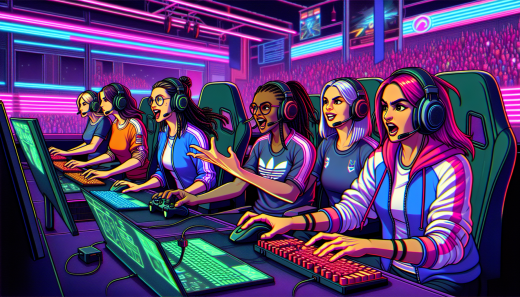
Empowering Female Esports: Shattering Stereotypes in the Gaming World
In recent years, the world of esports has witnessed a remarkable transformation, with a growing number of female gamers stepping into the spotlight and challenging long-held stereotypes. This dynamic shift not only showcases the immense talent and potential of female gamers but also heralds a new era of inclusivity and diversity within the gaming community. The landscape of female esports is evolving rapidly, and it’s crucial to explore the historical context, ongoing challenges, and future prospects of this exciting movement.
The Rise of Female Esports: A Historical Perspective
The journey of female esports is a testament to the resilience and passion of women who have defied societal expectations and carved out a space for themselves in a predominantly male-dominated industry. From the initial days of competitive gaming to the present era of professional esports leagues, women have continually proved their mettle. Iconic figures such as Missy Peregrym, Mystik, and Scarlett have not only broken records but also inspired countless others to follow in their footsteps. Their contributions have been instrumental in redefining the narrative around female participation in esports, making it more inclusive and representative of diverse talents.
Challenges and Stereotypes: Breaking Barriers in the Gaming Industry
Despite the progress, female gamers still face a multitude of challenges and stereotypes that hinder their growth and recognition in the esports arena. From gender bias and unequal opportunities to online harassment and lack of representation, these obstacles are significant. Statistical data reveals a stark gender disparity, with women often being underrepresented in major esports tournaments and leadership roles. However, the inspiring stories of female gamers who have defeated these odds to achieve remarkable success are a beacon of hope for aspiring players. Their journeys highlight the importance of perseverance and the need for a supportive and equitable gaming environment.
Future Prospects: Fostering an Inclusive and Diverse Esports Community
The future of female esports looks promising, with numerous initiatives and efforts aimed at fostering an inclusive and diverse community. Organizations, sponsors, and community leaders are increasingly recognizing the value of empowering female gamers and are taking actionable steps to bridge the gender gap. Programs such as mentorship schemes, women-only tournaments, and diversity campaigns are gaining momentum, paving the way for a more equitable esports ecosystem. Looking ahead, it is essential to continue these efforts and create sustainable pathways for female gamers to thrive and excel in the competitive gaming world.
The Rise of Female Esports: A Historical Perspective
The world of esports has long been perceived as a male-dominated realm, but the journey of female esports has remarkable roots that deserve equal recognition. From its early beginnings to the dynamic present, the rise of female esports reflects an inspiring tale of passion, perseverance, and progress.
Early Beginnings in Female Esports
The origins of female esports can be traced back to the nascent days of competitive gaming. During the late 1990s and early 2000s, women began participating in gaming tournaments, often as the only female participants in a sea of male competitors. Back then, visibility for these trailblazing women was minimal, but their contributions were foundational in paving the way for future generations.
Key Milestone: The year 1997 saw the inception of the first all-female gaming clan, The PMS Clan (Pandora’s Mighty Soldiers). Co-founded by Amber Dalton and Amy Brady, PMS Clan became a cornerstone in establishing a platform for female gamers to connect and compete. It was a pioneering effort that demonstrated that women not only had a place in competitive gaming but could also excel and create supportive communities for one another.
Influential Female Gamers
Over the years, numerous female gamers have made significant impacts, pushing the boundaries of what’s possible in esports. Among them is Kat Gunn, also known as Mystik, who won the second season of WCG Ultimate Gamer and took home a $100,000 prize. Her success underscored the fact that female gamers could perform at the highest levels of competitive play.
Another influential figure is Sasha Scarlett Hostyn, a professional StarCraft II player known for her strategic prowess. Scarlett made history by becoming the first woman to win a major StarCraft II tournament, clinching the gold medal at the Intel Extreme Masters in 2018. Her achievements shattered many stereotypes and showcased the immense talent within the female esports community.
The Evolving Narrative Around Female Esports
As the years progressed, the narrative surrounding female esports evolved significantly. The initial skepticism and gatekeeping gave way to a more inclusive dialogue as more women joined the competitive scene. Social media and streaming platforms like Twitch played pivotal roles in this evolution, granting female gamers visibility and the ability to build their own audiences.
Key Milestone: In 2017, the launch of the Women in Games initiative by the Esports Integrity Coalition (ESIC) marked a significant step toward fostering inclusivity. This initiative aimed to combat discrimination and harassment while promoting diversity within the esports industry. By providing a platform for advocacy and support, it emphasized that female esports are not just an anomaly, but a crucial component of the gaming world.
The narrative around female esports continued to gain momentum with the formation of all-female teams and leagues. The Women’s Esports League (WEL), established in 2018, provided a dedicated space for female gamers to compete at high levels. Such leagues offered not only competitive opportunities but also mentorship and a sense of community among female gamers.
Moreover, organizations like Dignitas, an esports organization with a history of supporting female teams, helped in normalizing and professionalizing female esports. By investing in female talent and creating structures that mirrored those available to male gamers, these organizations played a pivotal role in elevating the status of female esports.
The Current State of Female Esports
Today, female esports is not merely about participation but thriving and leading. With more women entering professional gaming, roles have expanded beyond players to include commentators, analysts, and organizational leaders. The gender diversity within the industry has enriched the gaming experience, bringing in varied perspectives and ideas.
Key Milestone: The establishment of Women of Esports in 2020, a global initiative by the British Esports Association, highlights current efforts to spotlight and support women in esports. This initiative focuses on education, collaboration, and creating opportunities for women to advance in the esports ecosystem.
As of now, female esports is on an upward trajectory with an increasing number of tournaments and sponsorships available to women. Esports giants like Riot Games have also started to emphasize inclusivity in their events, ensuring that women gamers are equally celebrated and given platforms to showcase their talents.
In conclusion, the rise of female esports is a testament to the relentless spirit and talent of women in gaming. From early beginnings marked by pioneering figures to the current state characterized by professional teams and supportive initiatives, female esports continues to evolve, shattering stereotypes and paving the way for future generations. The journey is far from over, but the strides made so far are undeniably transformative, promising a more inclusive and vibrant future for the gaming world.
Challenges and Stereotypes: Breaking Barriers in the Gaming Industry
Recognizing Common Stereotypes and Challenges
In the ever-evolving world of esports, female gamers have consistently faced a myriad of challenges and stereotypes that significantly hinder their progress and participation. One of the most prevalent misconceptions is that gaming is a male-dominated arena, with the erroneous belief that females lack the skills or dedication to succeed in competitive gaming. Such stereotypes not only perpetuate gender bias but also create an unwelcoming environment for aspiring female esports professionals.
Beyond societal attitudes, female gamers often encounter harassment and discrimination in online gaming communities. According to a report by the Anti-Defamation League (ADL), around 38% of female gamers have reported experiencing some form of harassment in online multiplayer environments, a figure that underscores the hostile climate many women face.
Statistical Data and Real-Life Anecdotes
Statistics reveal a stark gender disparity within the esports industry. A 2021 study by Interpret found that only 30% of esports viewers worldwide are female, illustrating a significant gap in audience demographics. Meanwhile, female participation among professional esports players is even lower, with estimates suggesting that women make up less than 5% of the total professional esports athletes.
These figures are buttressed by numerous personal accounts from female gamers. Take, for instance, the story of Sasha Scarlett Hostyn, a well-known professional Starcraft II player. Despite her remarkable achievements, including becoming the first woman to win a major Starcraft II tournament, Scarlett has frequently spoken about the unique challenges she faces as a female in esports, from skepticism about her abilities to outright sexism.
Another inspiring example is that of Se-yeon Geguri Kim, who made history by becoming the first female player in the Overwatch League. Geguri’s journey was not without its hurdles. Early in her career, she faced unfounded accusations of cheating because her male peers could not fathom a woman being so skilled at the game. Her perseverance and eventual acceptance into the Overwatch League serve as a beacon of hope for many female gamers.
Overcoming Obstacles: Inspiring Stories
Despite these obstacles, many female gamers have shattered stereotypes and achieved incredible success, encouraging others to follow suit. One heartening story is that of Katherine Mystik Gunn, a professional Halo and Dead or Alive player renowned for winning the WCG Ultimate Gamer reality show. Mystik not only proved her prowess but also used her platform to address issues of gender equality in gaming.
Similarly, the rise of female-led esports teams such as Dignitas Female has provided much-needed representation in the industry. These teams serve as powerful examples of collaborative success and camaraderie, pushing back against the notion that competitive gaming is restricted to men. Dignitas Female, competing in games like CS:GO, has shown that skill and teamwork transcend gender.
Another notable mention is Emmalee EMUHLEET Garrido, the captain of Dignitas Female’s CS:GO team. Her leadership and gaming prowess have earned her multiple championships and have inspired a new generation of female gamers. EMUHLEET’s success challenges the stereotype that women cannot be leaders in competitive gaming scenarios.
Moreover, initiatives like the Women in Games and AnyKey advocacy groups have been pivotal in providing support and resources for female gamers. These organizations work towards creating a more inclusive gaming environment by offering mentorship, networking opportunities, and advocating for gender diversity within the industry.
Conclusively, while the path for female gamers in the esports arena is fraught with challenges and stereotypes, the resilience and success of pioneering women continue to chip away at these barriers. By recognizing the struggles and celebrating the victories of female esports players, the gaming industry can move towards greater inclusion and equal representation. These inspiring stories not only highlight the skill and determination of female gamers but also pave the way for future generations to thrive in esports without the burden of gender-based biases and challenges.
Future Prospects: Fostering an Inclusive and Diverse Esports Community
Ongoing Efforts and Initiatives Promoting Diversity
The landscape of esports is ever-evolving, with a growing recognition of the need for diversity and inclusion within the community. Various initiatives and efforts are paving the way for a more inclusive future in female esports. Prominent organizations and grassroots movements are relentlessly working to create environments where female gamers can thrive.
One notable example is the Women in Games organization, which has been advocating for gender equality in the gaming industry. They host events, workshops, and mentorship programs that empower women and girls interested in pursuing careers in esports. Additionally, gaming giants like Riot Games and Blizzard Entertainment have made firm commitments to improving diversity and inclusivity within their competitive scenes.
Apart from organizations, multiple initiatives have also been launched to support female content creators and streamers. Platforms like Twitch and YouTube are seeing increased sponsorship for female gamers, ensuring they have the necessary resources to grow their channels and influence in the esports world.
The Role of Organizations, Sponsors, and Community Actions
Organizations and sponsors play a crucial role in shaping the future of female esports by providing financial backing, resources, and visibility to talented female gamers. Companies like Intel, Asus, and Alienware have been pivotal in sponsoring all-female tournaments and teams, facilitating equal opportunities for women in competitive gaming.
A standout initiative is the ESL’s Women’s Circuit, which hosts regular esports tournaments exclusively for female players. This platform not only highlights female talent but also serves as a stepping stone for women aspiring to compete in mixed-gender tournaments. The support from ESL and its sponsors has been a game-changer in advancing female representation in esports.
Community-driven actions are equally important in fostering an inclusive esports environment. Online forums, local gaming clubs, and social media groups dedicated to female gamers offer a sense of belonging and mutual support. Campaigns like #GamerGirls and #HerGameToo shine a light on the challenges faced by women in gaming while celebrating their successes and contributions.
Predicting the Future Landscape of Female Esports
The progress made thus far in female esports is commendable, yet there is still much work to be done. As we look to the future, it’s essential to envision a landscape where female gamers have equal opportunities and recognition as their male counterparts. Predicting the future of female esports involves acknowledging the potential growth areas and strategizing actionable steps to ensure sustained advancement.
1. Enhanced Visibility: Increasing media coverage of female esports tournaments and success stories will amplify the visibility of female gamers. Broadcasting platforms must prioritize equitable screen time, ensuring that female gamers receive the recognition they deserve.
2. Education and Training: Structured training programs and educational courses focusing on esports can help equip female gamers with the necessary skills to excel. Partnering with educational institutions and esports academies to provide scholarships and training opportunities is key.
3. Inclusive Game Design: Game developers should continuously strive to create games and esports platforms that promote inclusivity. This includes designing characters and narratives that resonate with a diverse audience, ensuring that female gamers feel represented and valued.
4. Policy and Regulation: Implementing policies that address gender discrimination and harassment in esports is crucial. Esports organizations should enforce strict codes of conduct to cultivate a safe and respectful gaming environment for all players.
5. Mentorship Programs: Establishing mentorship programs where aspiring female gamers can learn from seasoned professionals can significantly impact their growth. These programs provide guidance, support, and the essential connections needed to navigate the esports industry.
6. Corporate Responsibility: Sponsors and brands must take on the responsibility of promoting gender equality in esports. By funding female-driven projects and endorsing female gamers, companies can drive substantial progress in leveling the competitive playing field.
The future of female esports hinges on collective efforts from industry stakeholders, communities, and individual advocates. While positive strides have been made, ongoing commitment and innovative strategies are vital to breaking down barriers and shattering stereotypes in the gaming world.
Actionable Steps to Support Female Esports Growth
To ensure the growth and sustainability of female esports, several actionable steps can be taken:
1. Sponsorship and Investment: Encourage brands and investors to back female esports teams and tournaments. Financial support plays a significant role in creating opportunities and driving visibility for female gamers.
2. Collaborative Ventures: Foster partnerships between established esports organizations and female gaming groups. Collaborative efforts can lead to shared resources, knowledge, and platforms for showcasing female talent.
3. Advocacy and Awareness: Raise awareness about the importance of female representation in esports through campaigns, social media, and public speaking engagements. Advocacy efforts should focus on educating both industry insiders and the general public.
4. Research and Data Collection: Conduct research studies to provide data-driven insights into the state of female esports. Understanding the challenges, opportunities, and impacts can inform policy-making and strategic initiatives aimed at gender equality.
5. Supportive Ecosystems: Create supportive ecosystems that nurture female gamers from a young age. This includes organizing beginner-friendly tournaments, providing accessible resources, and encouraging positive community interactions.
6. Recognition and Reward: Establish awards and honors that celebrate the achievements of female gamers. Recognition programs can inspire younger generations and showcase the potential of female talent in esports.
The journey towards an inclusive and diverse esports community is ongoing, yet the future prospects are promising. By continuing to challenge stereotypes, support initiatives, and advocate for equality, we can empower female esports athletes and transform the gaming world for the better.
Conclusion: Redefining the Future of Female Esports
The journey of female esports has been marked by resilience, innovation, and a relentless pursuit of equality. From its nascent stages to the present day, the courage and determination of pioneering female gamers have ensured that gender barriers in the gaming world continue to be dismantled. Despite facing numerous stereotypes and challenges, the progress made serves as a testament to the unstoppable spirit of women in esports.
As we look towards the future, it’s evident that fostering an inclusive and diverse esports community is not merely an option but a necessity. The ongoing efforts by various organizations, sponsors, and community actions are vital in promoting a culture where female gamers can thrive without prejudice. Empowering female esports requires collective commitment, and with each passing day, we witness more groundbreaking achievements that challenge the status quo.
The future of female esports is bright and brimming with possibilities. By continuing to support initiatives that champion diversity and inclusion, we can ensure that the industry evolves into a more equitable space for all. Let us celebrate the trailblazers, support upcoming talents, and work towards a gaming world where skill and passion are the only criteria for success, transcending the boundaries of gender.