
The Rapid Rise of Esports Entertainment
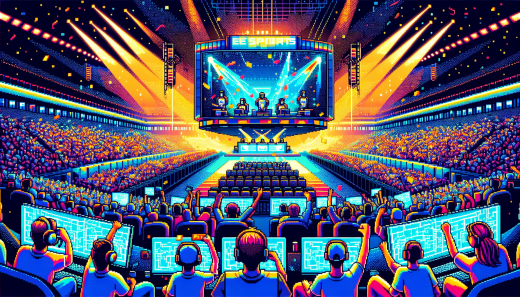
The Rapid Rise of Esports Entertainment
The Evolution of Esports: From Arcade Games to Global Phenomenon
Esports entertainment has come a long way since its humble beginnings in arcades. The earliest esports competitions can be traced back to the 1970s and 1980s, where players would gather to test their skills on classic arcade games like Space Invaders and Pong. These grassroots tournaments laid the foundation for what would eventually grow into a global phenomenon.
The 1990s saw the rise of personal computers and the internet, propelling esports into a new era. Games like StarCraft and Counter-Strike began to build dedicated followings, with competitive leagues and larger-scale tournaments playing a pivotal role. By the 2000s, advancements in gaming technology, high-speed internet, and the emergence of streaming platforms such as Twitch revolutionized how fans consumed esports entertainment. The shift from local area network (LAN) parties to online multiplayer battles allowed esports to reach an ever-growing global audience.
The Business of Esports: Revenue Streams and Market Growth
As esports entertainment surged in popularity, so did its economic potential. Unlike traditional sports, esports offers unique monetization strategies, combining digital and physical revenue streams. Sponsorships and advertising deals with major brands have become staples of the industry, providing essential financial support. Additionally, esports generates significant income from merchandise sales, digital content, and ticket sales for live events held in arenas worldwide.
The market dynamics of esports are equally impressive. With an estimated global audience exceeding 500 million viewers, esports has captivated diverse demographics across continents. Key markets in North America, Europe, and Asia continue to lead in viewership and investment, but other regions are rapidly catching up. Industry reports forecast exponential growth, bolstered by rising engagement and technological innovations that further enhance the esports entertainment experience.
The Cultural Impact and Future of Esports Entertainment
Esports entertainment is undeniably shaping popular culture. What was once a niche hobby has seeped into the mainstream, influencing music, fashion, and media. Television networks and streaming services now feature esports content, and professional gamers are gaining celebrity status. This cultural shift reflects a growing acceptance and celebration of gaming as a legitimate competitive and entertainment endeavor.
Looking ahead, the future of esports entertainment appears brighter than ever. Emerging technologies, such as virtual reality (VR) and augmented reality (AR), promise to elevate the viewer experience to new heights. Additionally, the rapid rise of mobile esports is expanding the audience base, making competitive gaming more accessible to people around the world. While potential regulatory changes loom, they are likely to provide a framework for sustainable growth and enhanced legitimacy. In summary, esports entertainment is poised to continue its meteoric rise, transforming both the gaming and entertainment landscapes.
The Evolution of Esports: From Arcade Games to Global Phenomenon
Historical Perspective
Esports entertainment, a sector once confined to local arcades and living rooms, has burgeoned into a global phenomenon, captivating millions of fans worldwide. The origins of esports can be traced back to the early 1970s, with events like the 1972 Spacewar! competition at Stanford University marking the inception of organized competitive gaming. However, it was the 1980s that truly set the stage for esports, ushering in the golden era of arcade games.
Notable milestones during this period include the 1980 Atari Space Invaders Championship, which drew over 10,000 participants, highlighting the burgeoning interest in competitive gaming. Such events were the precursors to the immense popularity of esports today. The transition from arcade halls to home consoles in the 1990s further democratized access to gaming, allowing a broader audience to engage in competitive play. The release of pivotal titles like Street Fighter II and Mortal Kombat saw players transitioning from casual gaming to organized tournaments.
The turn of the millennium witnessed another significant leap with the advent of online multiplayer games. Titles such as StarCraft and Counter-Strike became cultural landmarks, fostering the development of professional gaming leagues and organizations. South Korea, in particular, emerged as an esports epicenter, with the establishment of professional leagues and comprehensive player training programs. This era also saw the rise of major events like the World Cyber Games and the Electronic Sports World Cup, which began to draw international audiences.
Technological Advancements
The exponential growth of esports entertainment would not have been possible without concurrent advancements in technology. High-speed internet and the expansion of broadband networks in the early 2000s allowed for the surge of online gaming communities, enabling players to compete with each other from across the globe in real-time. This connectivity broke down geographical barriers, fostering a truly global esports community.
Improvement in gaming hardware also played a crucial role. Powerful graphic processing units (GPUs) and advanced gaming PCs enabled the development of visually stunning and complex games that attracted a dedicated fanbase. The evolution of gaming consoles and the introduction of cross-platform play have further enhanced the competitive experience, making esports accessible to a wider audience. Meanwhile, developments in peripherals like precision mice, mechanical keyboards, and high-refresh-rate monitors have provided players with the tools necessary to refine their skills and compete at the highest levels.
Streaming platforms have arguably been the most transformative innovation in the realm of esports entertainment. The advent of platforms such as Twitch, YouTube Gaming, and Mixer revolutionized the way audiences consume esports content. These platforms provided a space where millions of fans could watch live esports events, follow their favorite players, and engage with the gaming community. The interactivity offered by these platforms, through live chats and community features, has fostered an unprecedented level of engagement among fans.
The launch of Twitch in 2011 marked a new era for esports broadcasting. For the first time, fans could stream live events, tutorials, and casual play sessions from their favorite gamers in real-time, facilitating a deeper connection between players and their audience. Streaming bled into mainstream media, with traditional television networks beginning to broadcast esports events to cater to the growing audience.
Furthermore, the integration of advanced analytics and data processing has elevated the level of strategic depth in competitive gaming. Esports teams and players now leverage sophisticated data analytics to refine their strategies, study opponents, and enhance performance. This analytical approach parallels the tactics used in traditional sports, underscoring the professionalization of esports.
As virtual reality (VR) and augmented reality (AR) technologies continue to evolve, the landscape of esports entertainment is poised for yet another transformation. These immersive technologies promise to revolutionize the way games are played and viewed, offering fans a more engaging and interactive experience. The ongoing convergence of AI with gaming also opens up new horizons for both gameplay personalization and the enhancement of spectator experiences.
Over the past few decades, the evolution of esports from arcade curiosities to a powerhouse of global entertainment highlights not only the enduring appeal of competitive gaming but also the relentless pace of technological innovation that continues to drive the industry forward. As esports entertainment enters its next phase, it promises to break new ground, captivating even more fans around the world with every advancement.
The Business of Esports: Revenue Streams and Market Growth
Monetization Strategies
Esports entertainment has rapidly evolved into a significant driver of revenue within the digital entertainment sector. Diverse monetization strategies play a central role in this growth, with sponsorships, advertising, merchandise, and ticket sales for live events standing out as primary revenue streams.
Sponsorships are a substantial component of esports revenue. Major brands have recognized the potential of the esports audience, which tends to be younger and highly engaged. Companies from various industries, including technology, energy drinks, and even traditional sports brands, have invested heavily in sponsorship deals. This infusion of capital supports professional teams, leagues, and even individual players, helping to elevate the quality and scope of events.
Advertising within esports broadcasts is another lucrative area. Streaming platforms like Twitch and YouTube Gaming serve millions of viewers, providing brands with a captive audience. Advertising formats range from pre-roll and mid-roll video ads to banner placements and integrated content, offering flexibility and innovative ways to engage with audiences.
Merchandise sales also contribute significantly to esports’ revenue. Teams and organizations capitalize on their fan base by selling branded apparel, accessories, and even digital goods like in-game skins. Limited-edition releases and collaborations with popular streetwear brands further boost merchandise appeal and create a strong connection between fans and their favorite teams.
Ticket sales for live events constitute another important revenue stream. Despite the digital nature of esports, physical events such as tournaments and conventions draw massive crowds. Iconic venues like the Staples Center in Los Angeles and Madison Square Garden in New York have hosted sold-out events, showcasing the tangible, real-world appeal of esports entertainment. These events not only generate ticket revenue but also stimulate the local economy through tourism and associated spending.
Market Dynamics
The esports entertainment market is characterized by dynamic growth and evolving trends. Key factors shaping this market include viewership statistics, demographic patterns, and geographic hotspots of esports activity.
Viewership statistics reveal a continually expanding audience for esports. According to market research firms, the global esports audience reached approximately 495 million in 2020 and is projected to grow steadily each year. Major events such as the League of Legends World Championship and The International for Dota 2 attract millions of concurrent viewers, rivaling traditional sports broadcasts in terms of viewership scale and engagement.
Demographics of the esports audience are also crucial for understanding market growth. The majority of esports viewers are between the ages of 18-34, a coveted demographic for advertisers due to its higher disposable income and engagement with digital media. Gender diversity within the audience is improving as well, with more women participating as both players and viewers, contributing to a more inclusive community.
Geographic hotspots identify regions where esports entertainment is particularly popular. Asia-Pacific, especially countries like South Korea, China, and Japan, leads the way in terms of viewership and player base. These regions have long-standing cultures of competitive gaming and substantial investments in esports infrastructure. North America and Europe also represent significant markets, with growing esports ecosystems characterized by well-organized leagues, professional teams, and dedicated fan bases.
Additionally, emerging markets such as Latin America, the Middle East, and Africa are beginning to show significant interest in esports. Improved internet infrastructure, increasing mobile device penetration, and a young, tech-savvy population are driving esports growth in these regions, presenting new opportunities for expansion and investment.
The business of esports entertainment is multifaceted and continually evolving. Understanding the various monetization strategies and market dynamics is essential for stakeholders looking to capitalize on this burgeoning industry. As esports continues to attract investment and grow its audience, its transformation from a niche market to a mainstream entertainment phenomenon appears unstoppable.
The Cultural Impact and Future of Esports Entertainment
Cultural Shifts
Esports entertainment has rapidly transformed from a niche interest into a powerful cultural force, penetrating various aspects of mainstream media and lifestyle. The integration of esports into popular culture can be seen through numerous avenues, such as television shows, movies, and music. Major networks and streaming platforms have begun to recognize the substantial audience and viewership esports draws, dedicating significant broadcast hours and special programming to esports tournaments and related content.
One notable cultural shift is the rise of esports celebrities. Professional gamers and streamers such as Ninja, Faker, and Shroud have garnered millions of followers on social media platforms, influencing trends and even collaborating with traditional celebrities. These esport stars are often featured in advertisements and have their own brand deals, similar to athletes in conventional sports.
Esports entertainment has also ushered in an evolution of the lifestyle associated with gaming. There is a growing acceptance and celebration of gaming as a legitimate career path, fueled by the increasing visibility of gaming tournaments and sponsorship deals. Gaming houses, where teams live and train together, are becoming iconic symbols within the community. Additionally, esports apparel and merchandise have become fashion statements, mirroring the trend of sportswear in traditional sports.
The education sector is not left out of this cultural shift. Many universities and colleges around the world have established esports programs and scholarships, fostering a new generation of professional gamers and industry experts. These institutions organize intercollegiate tournaments, offering students a chance to compete at high levels while pursuing their academic goals. This formal recognition of esports by educational institutions further solidifies its place within the mainstream societal framework.
Future Projections
The future of esports entertainment looks incredibly promising, driven by rapid advancements in technology and evolving market dynamics. Emerging technologies such as Virtual Reality (VR) and Augmented Reality (AR) are poised to revolutionize the way games are played and watched. These immersive experiences will not only intensify the gameplay but also offer viewers a more engaging and interactive way to enjoy their favorite events. Imagine being able to step into a virtual stadium, where you can watch live matches from the perspective of your favorite player or experience the thrill of being right in the middle of the action.
Mobile esports is another significant growth area, with more games being optimized for mobile platforms. Accessibility is a critical factor in the growth of mobile esports; almost anyone with a smartphone can participate or spectate. Games like PUBG Mobile, Mobile Legends, and Call of Duty Mobile have seen massive success and have already established themselves as staples in the esports community. The convenience and portability of mobile gaming make it especially attractive to a younger demographic, ensuring a steady influx of new fans and players.
Another pivotal aspect of the future trajectory of esports is the potential for regulatory changes. As the industry grows, there will likely be increased scrutiny and the need for standardized regulations to ensure fair play, match integrity, and player welfare. Organizations such as the Esports Integrity Commission (ESIC) are leading the charge in implementing policies to combat issues like match-fixing and doping, helping to legitimize and professionalize the field further.
Esports entertainment is also expected to benefit from an expanding global infrastructure. Investment in high-speed internet and gaming facilities is on the rise, particularly in developing countries where the esports market is still burgeoning. These investments will yield better opportunities for local talent to emerge and compete on the international stage, fostering a more inclusive and diverse esports ecosystem.
Finally, the convergence of esports with other forms of entertainment will create even more opportunities for growth and innovation. Collaborations between game developers, media companies, and traditional sports organizations will open new avenues for audience engagement and revenue generation. For instance, traditional sports teams forming their own esports teams or hosting esports events in conjunction with physical sports events are trends that are already taking hold and will likely become more prevalent in the future.
In conclusion, the cultural impact and future of esports entertainment are both profound and multifaceted. From changing lifestyle perceptions and creating new opportunities in education to leveraging cutting-edge technology and navigating regulatory landscapes, the journey of esports is one of dynamic and exciting evolution. As esports continues to integrate into various aspects of mainstream media and society, its influence will only grow, solidifying its place as a dominant force in global entertainment.
Conclusion: The Unstoppable Momentum of Esports Entertainment
The ascendancy of esports entertainment from modest arcade origins to a towering global spectacle is nothing short of remarkable. The journey, driven by continuous technological advancements, has transitioned from local arcade competitions to intricate, internationally broadcasted online battles. These developments have not only enhanced the player experience but have also revolutionized how audiences engage with competitive gaming, making it more accessible and riveting.
The business model of esports has matured alongside its growth, with diverse monetization strategies ensuring a sustainable and lucrative ecosystem. From sponsorship deals and advertising to merchandise sales and packed live events, the industry has crafted a multifaceted revenue stream that feeds its rapid expansion. Market dynamics reveal a thriving community with broadening demographics and increasing viewership across different geographies, making esports a universal phenomenon.
The cultural footprint of esports entertainment continues to deepen, seamlessly integrating into mainstream media and everyday life. As esports steadily infiltrates more cultural domains and garners mainstream acceptance, it reshapes societal perceptions of gaming. Looking forward, the future of esports appears robust and promising. With the advent of emergent technologies, evolving regulatory landscapes, and the burgeoning sector of mobile esports, the industry is set to reach new pinnacles. These elements underscore an era of unprecedented growth and innovation, suggesting that the momentum behind esports entertainment shows no signs of ebbing.
In essence, the rapid rise of esports entertainment is a testament to its transformative power and its capacity to captivate a global audience. As technology and societal attitudes continue to evolve, the landscape of esports will undoubtedly forge new pathways and redefine the boundaries of entertainment.