
The Rise of E-Sports: A Digital Revolution
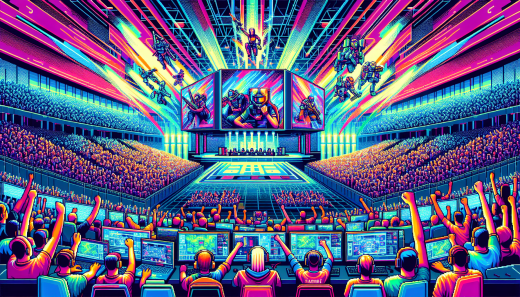
The Rise of E-Sports: A Digital Revolution
The Evolution of E-Sports: From Niche Hobby to Global Phenomenon
In the dynamic world of entertainment, few sectors have experienced the meteoric rise seen in e-sports. What started as a niche hobby, appreciated only by a handful of avid gamers, has transformed into a global phenomenon that attracts millions of viewers and participants worldwide. The history of e-sports is a tale of innovation, passion, and an ever-growing community that redefines the boundaries of competitive gaming.
Key milestones have punctuated the ascent of e-sports, turning it from humble beginnings into mainstream splendor. Early tournaments in the late 90s and early 2000s laid the groundwork, but the explosion of online connectivity and the advent of popular streaming platforms like Twitch marked significant turning points. These milestones paved the way for massive tournaments such as The International and the League of Legends World Championship, each boasting prize pools and viewership numbers rivalling those of traditional sports.
When comparing past and present e-sport scenarios, the differences are striking. What was once an underground activity has blossomed into a vast ecosystem that includes professional leagues, sponsorships, televised events, and a fervent fan base. As of today, e-sport tournaments can attract audiences numbering in the tens of millions, reflecting a shift in how entertainment is consumed in the digital age.
The Evolution of E-Sports: From Niche Hobby to Global Phenomenon
Introduction to the History and Growth of E-Sport
E-sport, once regarded as a fringe activity embraced only by the most ardent of gaming enthusiasts, has metamorphosed into a sprawling global phenomenon. The origins of e-sports can be traced back to the early 1970s when video games had just begun to capture public imagination. Amidst the excitement over these digital novelties, competitions started to sprout, albeit in a rudimentary form. The first known e-sport event took place at Stanford University in 1972, a Spacewar tournament that intrigued many but remained largely unknown to the wider world.
Over the next few decades, the development of more sophisticated gaming consoles and the emergence of arcade games paved the way for more structured competitions. Titles such as Space Invaders and Pac-Man started gaining traction, and with them, so did the concept of competitive gaming. However, it wasn’t until the 1990s, with the advent of internet connectivity, that e-sport began to gain a semblance of organized structure, facilitating remote competitions and connecting a global community of gamers.
Key Milestones and Turning Points in the E-Sports Industry
The 1990s marked significant milestones for e-sports. The proliferation of personal computers enabled the creation of complex and immersive game titles like Doom and Quake, which generated the first recognizable e-sport scene. One of the most critical turning points was the establishment of the Cyberathlete Professional League (CPL) in 1997, which aimed to professionalize competitive gaming.
The 2000s ushered in an era of exponential growth. The launch of platforms such as Major League Gaming (MLG) in 2002, and the later rise of streaming services like Twitch in 2011, further amplified the reach and appeal of e-sports. Events like The International for Dota 2, which began in 2011, demonstrated the enormous potential for prize money, drawing millions of viewers and establishing e-sports as a lucrative arena. Meanwhile, South Korea, with its fervent Starcraft scene, underscored the global reach of e-sports, with dedicated TV channels and stadium-filled events.
In recent years, mainstream acceptance has surged. Traditional sports organizations, media outlets, and even academic institutions have started to recognize and invest in e-sports. The inclusion of e-sports in events like the Asian Games as an exhibition sport has only solidified its position on the global stage.
Comparison of Past and Present E-Sport Viewership and Participation
The growth trajectory of e-sport viewership and participation is nothing short of spectacular. In its nascent stages, e-sport events were small, localized gatherings that attracted modest audiences. Competitions were often held in modest venues, with minimal media coverage. However, the scenario today is markedly different. Major e-sport events now fill massive arenas, and viewership numbers are often on par with, or even surpass, those of traditional sporting events.
In 2012, the League of Legends World Championship attracted 8.2 million viewers—the following year, this number doubled to 32 million. By 2020, the event boasted a staggering 49.45 million peak concurrent viewers. Additionally, the total audience for e-sport globally has shot up from 134 million in 2012 to over 495 million in 2020. This growth is mirrored in participation rates, with millions of players engaging in various competitive games worldwide.
The demographic has also broadened. Historically dominated by young males, e-sports now attract a diverse audience, including a significant percentage of female viewers and players. This diversification is bolstered by the growing popularity of various game genres such as battle royales, mobile games, and more, which appeal to a wider demographic spectrum.
Ultimately, the metamorphosis of e-sport from a niche hobby to a global phenomenon is a testament to the industry’s dynamism and adaptability. The milestones achieved, coupled with a continually expanding and diversifying audience, highlight the potential for even more remarkable growth and development in the future. As technological advancements continue to shape this vibrant industry, the influence and reach of e-sports are poised to eclipse even the boldest of predictions.
Impact of Technology on E-Sports: Shaping the Future of Competitive Gaming
Exploration of Technological Advancements Fueling E-Sport Growth
In recent years, the e-sport industry has experienced an explosive growth trajectory, largely propelled by technological advancements that have revolutionized the way competitive gaming is played, viewed, and appreciated. One of the most significant innovations is the development of high-performance gaming hardware, including powerful CPUs, GPUs, and specialized gaming peripherals like ergonomic keyboards and high-resolution monitors. These advancements have enhanced the quality of gameplay, providing professional gamers with the equipment needed to compete at the highest levels.
Moreover, the proliferation of high-speed internet has been a game-changer for e-sport. The advent of broadband and fiber-optic technologies has minimized latency issues, ensuring smooth and real-time gameplay experiences. Both players and viewers now enjoy uninterrupted, high-quality streams, which is crucial for the competitive nature of e-sport. This technological leap has not only improved the overall gaming experience but also expanded the global reach of e-sport, allowing players from different regions to compete seamlessly against each other.
Streaming platforms, such as Twitch, YouTube Gaming, and Facebook Gaming, have also played a pivotal role in the e-sport boom. These platforms have democratized content creation and viewing, enabling gamers to broadcast their gameplay to a global audience. The social interaction layer added by live chat features has fostered robust communities around these e-sport games, enhancing viewer engagement and participation. The accessibility and popularity of these platforms have significantly contributed to the mainstream acceptance of e-sport as a legitimate form of entertainment.
Role of High-Speed Internet, Sophisticated Gaming Hardware, and Streaming Platforms
High-speed internet is undeniably the backbone of the e-sport industry. Without reliable and fast connections, it would be impossible to host international tournaments, stream live events, or even practice effectively. The advent of 5G technology is poised to take this even further, offering unprecedented speeds and low latency that could revolutionize mobile e-sport. With 5G, gaming on the go will become more viable, opening up new markets and opportunities for competitive gaming.
Sophisticated gaming hardware is another cornerstone of the e-sport ecosystem. Today’s gaming PCs and consoles are equipped with cutting-edge processors and graphical capabilities that far surpass those of just a few years ago. This allows for more complex and visually stunning games that push the boundaries of what’s possible in e-sport. Additionally, the advent of virtual reality (VR) and augmented reality (AR) technologies is beginning to make waves in the industry. These technologies offer immersive experiences that could create entirely new genres of e-sport in the near future.
Streaming platforms have redefined the way we consume e-sport content. Previously, watching competitive gaming was limited to niche websites or in-person events. Now, platforms like Twitch and YouTube Gaming offer an endless array of streams covering a wide variety of games, tournaments, and individual gamers. This accessibility has turned e-sport into a spectator sport enjoyed by millions. The integration of monetization options like subscriptions, donations, and ads has also provided streamers with viable revenue streams, making professional streaming a legitimate career path.
Predictions for Future Technological Trends and Their Potential Effects on E-Sport
Looking ahead, several technological trends are set to further accelerate the growth of e-sport. Firstly, the continued development and adoption of artificial intelligence (AI) could bring about significant changes. AI algorithms could be used to enhance training programs by analyzing gameplay to provide personalized feedback and improve player performance. Additionally, AI could be employed to create more challenging and dynamic in-game opponents, enriching the competitive experience.
Another exciting frontier is the potential for blockchain technology and non-fungible tokens (NFTs) within the e-sport ecosystem. Blockchain could ensure secure and transparent tracking of digital assets, such as in-game items or currencies, which are often bought and sold in secondary markets. NFTs could offer a new way for gamers to own and trade unique in-game items, creating additional revenue opportunities and enhancing player engagement.
Finally, the integration of machine learning and data analytics into e-sport could revolutionize the way teams prepare and compete. By leveraging vast amounts of gameplay data, teams could gain insights into strategies, tendencies, and performance metrics that were previously unattainable. This data-driven approach could give rise to entirely new coaching roles and analytic services within the industry.
In conclusion, technology has been the driving force behind the rapid growth and evolution of e-sport. High-speed internet, advanced gaming hardware, and innovative streaming platforms have collectively transformed competitive gaming into a global cultural phenomenon. As we look to the future, emerging technologies such as AI, blockchain, and data analytics promise to create even more exciting opportunities and challenges, ensuring that the world of e-sport will continue to evolve and captivate audiences around the globe.
E-Sports as a Career: Opportunities and Challenges in the Digital Arena
Overview of Different Career Paths within the E-Sport Industry
The growing e-sport industry presents various career paths beyond just playing video games. Aspiring professionals can find opportunities as players, coaches, streamers, commentators, and even event organizers. Each role requires a unique set of skills and offers distinct rewards and challenges.
Professional Players: At the forefront of e-sports careers, professional players compete in tournaments, attracting massive audiences and substantial prize pools. These gamers dedicate hours to mastering their craft, often specializing in particular games to reach the pinnacle of competitive play.
Coaches: Much like traditional sports, e-sport teams benefit from the strategic insights of coaches. These professionals analyze gameplay, devise strategies, and mentor players, aiming to elevate the team’s performance and success.
Streamers and Content Creators: Another lucrative path in the e-sport ecosystem is becoming a streamer or content creator. Platforms like Twitch and YouTube allow individuals to broadcast their gameplay, share content, and engage with a global audience. Streamers can monetize their channels through advertisements, subscriptions, and sponsorships.
Commentators and Analysts: Known as shoutcasters or analysts, these professionals provide live commentary and in-depth analysis during e-sport events. Their expertise and charismatic delivery enhance the viewing experience, making matches more exciting and accessible to fans.
Event Organizers: Organizing and managing e-sport events is crucial to the industry’s growth. Event organizers coordinate tournaments, manage logistics, and ensure smooth operations, creating unforgettable experiences for both players and spectators.
Economic and Social Impacts of E-Sport Careers on Individuals and Communities
The economic impact of e-sport careers extends far beyond individual earnings. Successful e-sport professionals can earn significant incomes through prize money, sponsorships, and endorsements. For instance, top-tier players and popular streamers may secure lucrative deals with brands, enhancing their financial stability.
Moreover, the rise of e-sport has led to the creation of numerous jobs, positively affecting local and global economies. This growing industry demands various supporting roles, including marketing experts, video editors, graphic designers, and technical support staff, contributing to economic development and job creation.
Community Development: E-sport careers foster community building, both online and offline. Players and fans connect through shared interests, creating vibrant communities that transcend geographical boundaries. Local e-sport events and gaming cafes also serve as hubs for social interaction, fostering camaraderie among enthusiasts.
Youth Engagement and Skill Development: For young individuals, pursuing a career in e-sport can be highly motivational. The discipline and perseverance required for competitive gaming can translate into valuable life skills, such as critical thinking, teamwork, and time management. These skills are highly transferable and beneficial in various professional fields.
Discussion of Challenges Faced by E-Sport Professionals and Potential Solutions
Despite the allure of e-sport careers, professionals in the industry face several challenges that require attention and solutions.
Mental and Physical Health: The demanding nature of e-sport can lead to physical strain and mental fatigue. Long hours of gameplay and the pressure to perform at a high level can result in issues like repetitive strain injuries, eye strain, and burnout.
Solution: To mitigate these risks, e-sport organizations should promote healthy practices such as regular breaks, physical exercise, and mental health support. Encouraging a balanced lifestyle and providing access to medical and psychological care can help professionals maintain their well-being.
Financial Stability: The financial rewards in e-sport can be unpredictable, with income variability depending on tournament outcomes, viewership, and sponsorship deals. Emerging professionals may find it challenging to secure a stable income early in their careers.
Solution: Financial literacy and planning are crucial for e-sport professionals. Educational initiatives on managing finances, securing savings, and diversifying income streams can provide greater economic security. Moreover, organizations can offer more structured contracts and support for emerging talent.
Lack of Longevity: The career span of professional e-sport players is often shorter compared to traditional sports due to the intense competition and rapid changes in the gaming landscape. Players may find it challenging to transition to other roles within the industry.
Solution: Developing career transition programs and offering training for alternative roles, such as coaching or content creation, can provide pathways for continued involvement in the industry. Additionally, fostering educational and professional development opportunities can help players prepare for life beyond competitive gaming.
Online Harassment and Toxicity: E-sport professionals, particularly streamers and content creators, can be targets of online harassment and toxic behavior from some segments of the community.
Solution: Creating a safer online environment through stricter community guidelines, moderation, and support systems is essential. Platforms and organizations must work together to implement policies that protect individuals from harassment and promote a positive and inclusive culture.
Conclusion
The e-sport industry offers a spectrum of career opportunities, each contributing to the burgeoning digital arena. While the economic and social impacts are profound, addressing the challenges faced by professionals is crucial for sustaining growth and ensuring the well-being of individuals. With concerted efforts from organizations, communities, and the industry at large, e-sport can continue to thrive and offer rewarding career paths for future generations.
The Future of E-Sports: An Unstoppable Digital Revolution
As we reflect on the incredible journey of e-sports, it becomes abundantly clear that this digital revolution is far from over. From its humble beginnings as a niche hobby enjoyed by a select few, to its current status as a global phenomenon captivating millions, e-sports has proven its resilience and adaptability. The industry’s explosive growth can largely be attributed to rapid technological advancements, the widespread availability of high-speed internet, and the rise of sophisticated gaming hardware and streaming platforms.
Innovations and Opportunities Ahead
Looking forward, the e-sports landscape is poised for even greater transformation. New technologies, such as virtual reality (VR) and augmented reality (AR), are set to enhance the immersive experience of competitive gaming, potentially attracting an even larger audience. Additionally, advancements in artificial intelligence (AI) could revolutionize training techniques and strategic planning for professional players, giving them an edge in high-stakes competitions.
Beyond technological innovations, the burgeoning e-sports industry continues to offer diverse career opportunities. Whether as players, coaches, streamers, or industry analysts, individuals are exploring new professional landscapes within this dynamic field. These opportunities, however, come with their own sets of challenges, including the need for greater support structures and mental health resources for those involved.
A Call to Embrace the Change
In conclusion, the rise of e-sports represents a significant cultural shift in how we perceive and engage with competitive sports and entertainment. It has not only redefined what it means to be an athlete but has also created a multi-billion dollar industry with profound economic and social impacts. As stakeholders, from players to developers, continue to innovate and push boundaries, e-sports is set to cement its place as a cornerstone of modern entertainment and a testament to the power of digital transformation.
The future of e-sports is bright, and as it continues to evolve, it promises to unlock new potentials and reshape the digital landscape. This is only the beginning of what the e-sport industry can achieve, and it is an exciting journey that beckons the participation of new audiences and stakeholders alike. Embracing this change and supporting its growth will ensure that e-sports remain at the forefront of the digital revolution.